There is tremendous potential in agriculture. If the government provides good policies and support, many young people would not need to go abroad. Rather than working hard in another country, it is better to work hard and build a livelihood in our own country.
Tara Giri
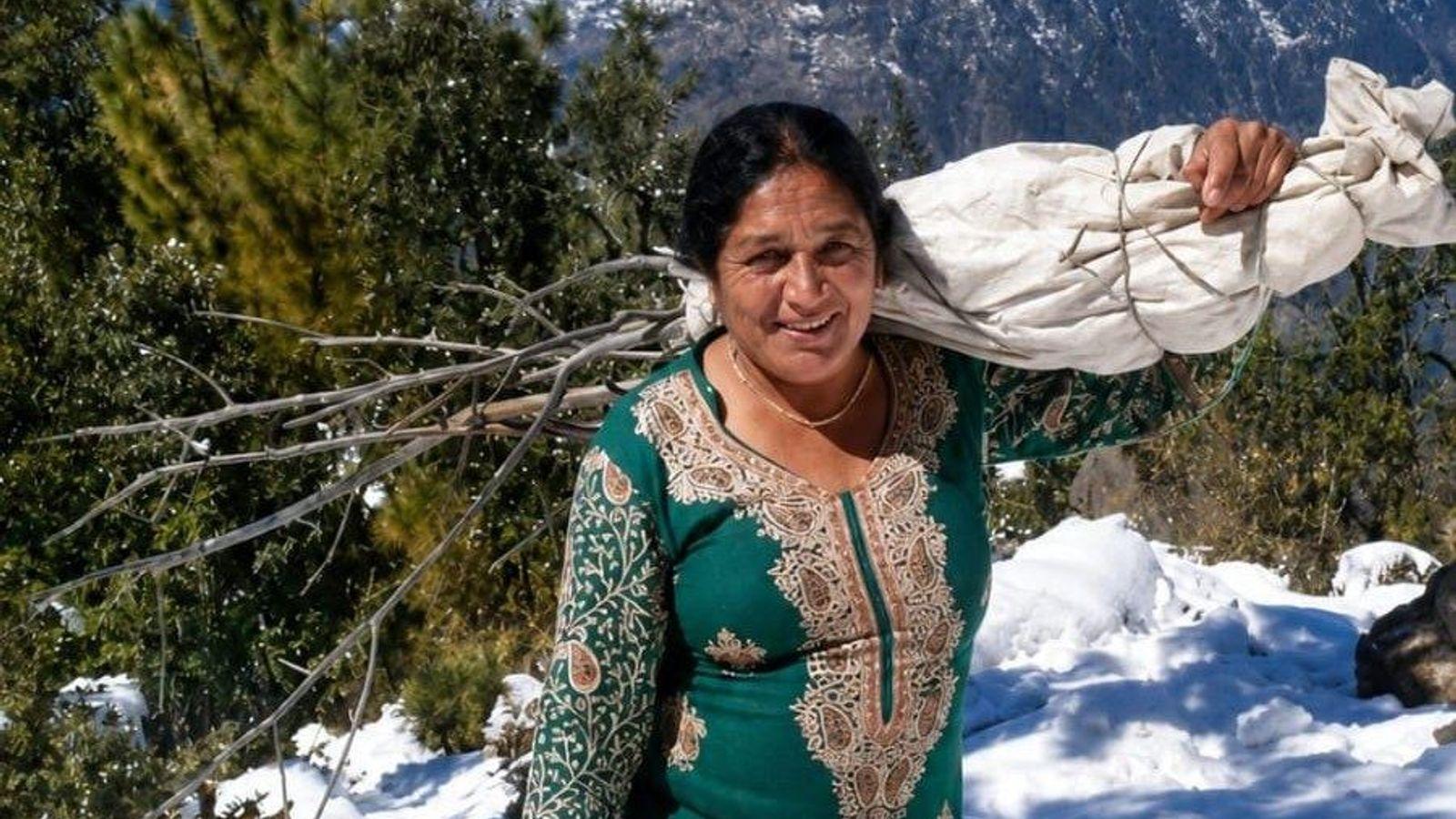
Tara Giri, of Baratu, Khandachakra Municipality-11, Kalikot, Karnali Province of Nepal, has spent nearly three decades building a career in agriculture. Her journey from a small village farm to a recognized fruit nursery reflects the potential of commercial agriculture in rural Nepal.
Tara began working with fruit nurseries and agricultural production in 2052 B.S. At the time, commercial fruit farming was uncommon in rural areas. Her husband had travelled to India for employment, where he observed organized fruit and vegetable farming. Inspired by those practices, the couple began exploring how similar farming could be introduced in their village.
Tara started by planting oranges, walnuts, lemons, and other fruit trees on her land. Whenever she encountered a new variety, she would bring it home and plant it. Over time, the farm developed into a diverse orchard, leading her to establish “Janchetana Private Fruit Nursery.”
The idea initially faced scepticism. Some villagers believed planting trees on farmland would reduce crop production. Tara continued experimenting and expanding her orchard. In 2058 B.S., she registered the farm, previously under her husband’s name, under her own. She subsequently participated in agricultural training and awareness programmes, gaining technical knowledge and new skills.
Tara also supported a family of seven, including her five sons. She sold fruits and vegetables herself, carrying produce in a traditional doko to Manma Bazaar. The income supported the household and helped finance her sons’ education in different cities.
Her nursery now produces a wide range of fruit and other plants, including orange, walnut, lemon, pear, kiwi, peach, plum, rudraksha, Buddha chitta, apple, and macadamia. The nursery has become a source of planting materials for farmers in the district. In the past, the Agriculture Development Office purchased seedlings from her nursery and distributed them to farmers at subsidized prices. However, reduced institutional purchases and declining demand, particularly for grafted fruit seedlings, have weakened the market. At one point, she had to remove thousands of unsold seedlings.
Tara also identifies irrigation shortages, limited fertilizer, difficult terrain, and declining livestock farming as major agricultural challenges. Despite these constraints, she continues to expand her work. She now operates a branch of Janchetana Private Fruit Nursery in Surkhet, where she leases land for cultivation and provides employment to local workers.
She has displayed her agricultural products at various fairs and exhibitions, securing various positions. She has also received several honours, including the Outstanding Woman Entrepreneur Award from the Government of Nepal.
Tara believes Nepal can benefit greatly from agriculture if appropriate policies, technology, markets, and opportunities are made available to young people.
Tara Giri’s story highlights the role women can play in developing agricultural enterprises and creating livelihoods in rural Nepal. Her work demonstrates how local farming can evolve into a source of income, employment, and agricultural knowledge for the wider community.
What this story shows
- Women can be powerful drivers of agricultural enterprise.
- Innovation can begin with small experiments.
- Agriculture can support family livelihoods and education.
What would make a difference
Policies, technology and markets for young people.