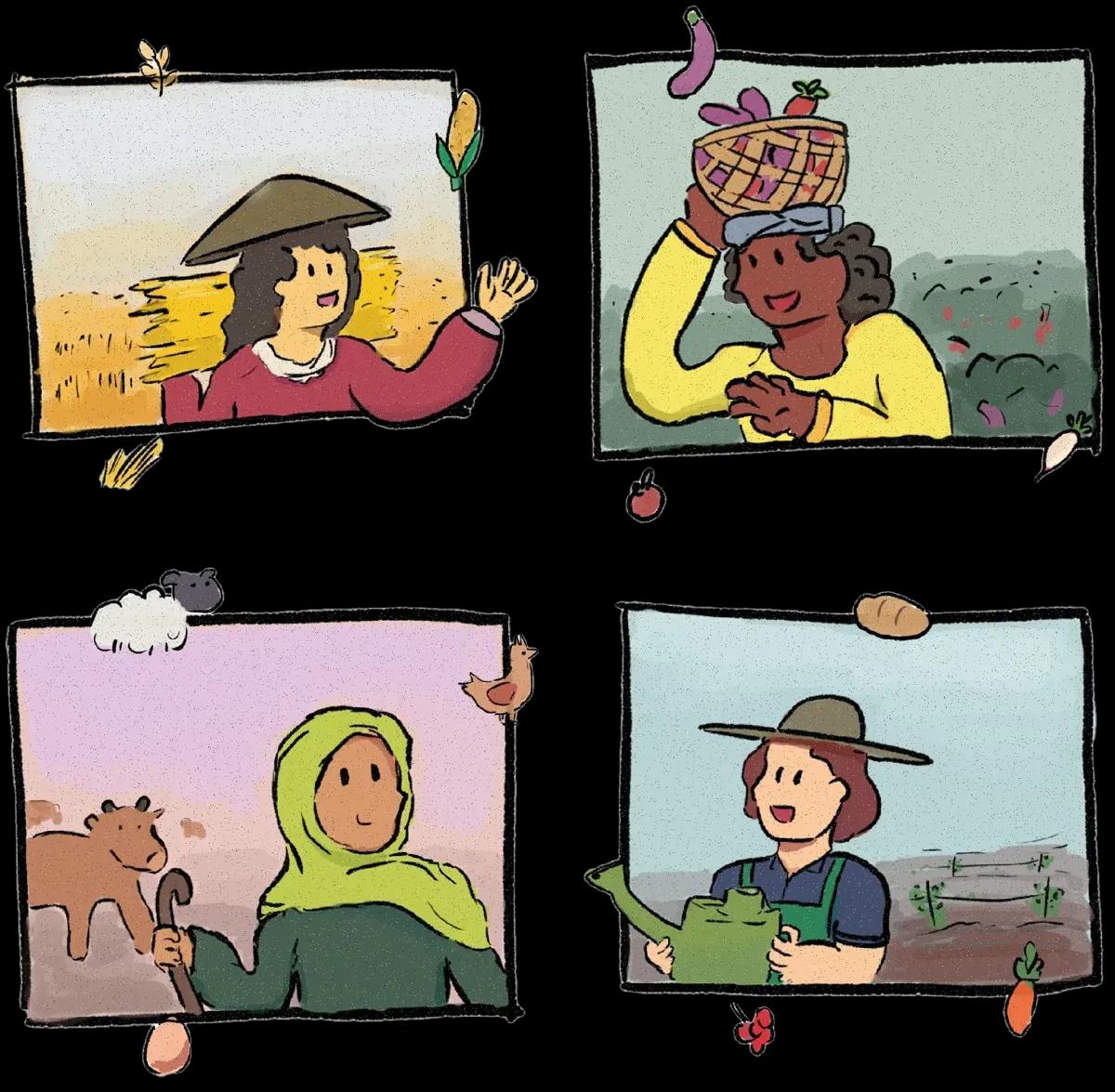
I ‘hunted’ guava, coconut, turmeric, cayenne pepper, everything. I could find all that I needed in my parents’ backyard.
Nissa Wargadipura
Nissa Wargadipura remembers her childhood backyard in Garut, West Java, as a little forest. Her father planted vegetables, herbs and fruit, while her mother made traditional medicine from the plants for their family and neighbours. After school, her mother would send her on a “backyard hunt”.
“I ‘hunted’ guava, coconut, turmeric, cayenne pepper, everything.”
For Nissa, the backyard was more than a garden. It was where her family found food, medicine and a way to live with nature. This reflected a long-standing Sundanese tradition in West Java, where homes could also provide food and livelihoods.
But as she grew older, Nissa saw this way of life coming under pressure. In 1989, while still in high school, she joined a student movement defending local farmers’ rights and opposing government land acquisition. In 1997, around 700 farmers regained their land.
Getting the land back was only the beginning. Farmers still struggled to make a living.
While living with a farming community near Mount Papandayan, Nissa saw how farmers had become dependent on intermediaries who controlled access to the city’s central market. Farmers planted vegetables according to orders and relied on intermediaries for seeds, agrochemical fertilizers and vitamins. They were also encouraged to move towards monoculture to meet production targets.
The high cost of these inputs deepened their dependence. When vegetable prices fell, farmers had few alternatives and little means of subsistence.
Nissa began looking for a way to rebuild farmers’ confidence in their own knowledge and reduce their dependence on the system around them.
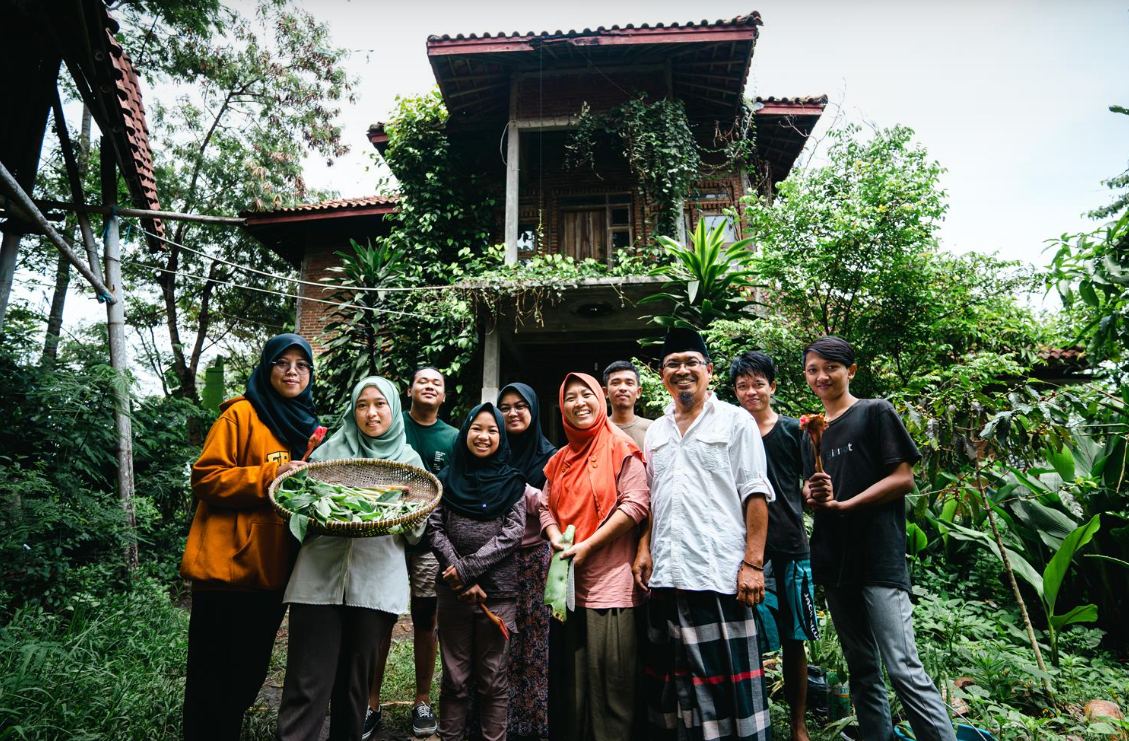
Nissa believed education could help farmers and their children reconnect with traditional knowledge. In 2008, she and her husband established At-Thariq, a farmer field school where young people learn agroecology, food security and religion alongside formal education.
The students live and eat at the school, learning mainly by doing. On one hectare of land, Nissa designed an intercropping system that combines tropical fruits, vegetables, cassava, taro and a fishpond. Students harvest crops, tend the farm and prepare food from what they grow. The school admits only 30 pupils because the farm can feed 30 people.
“Students must eat from the farms that they manage. This is one of our main lessons,” Nissa explains.
Over time, the school became a place not only to learn farming, but to rebuild young people’s confidence in the knowledge and resources of their own communities.
The lessons travelled beyond the farm school. At-Thariq now has more than 1,000 alumni, most of whom stay in their villages and apply what they learned.
Nunung Nurhasana spent five years at At-Thariq before returning to her village. There, she and other women farmers process leftover bananas, papayas and coconuts into snacks and beverages, which she promotes and sells through social media.
Nunung says she spends very little on meals because, “I have everything I need in my family’s backyard.”
What began with Nissa’s childhood backyard has grown into a model of how farming knowledge can move from one generation to another and back into the community.
What this story shows
- Family farms can preserve traditional knowledge while producing diverse, nutritious food sustainably. Governments should recognize and support family farmers as leaders of agricultural transformation.
- Hands-on agricultural education can equip young people to bring sustainable farming practices back to their communities. Education programmes should invest in the next generation of family farmers.
What would make a difference
Family farmers recognized as leaders; hands-on education.